Silicon: N-Type TOPCon Cell Architecture
Understanding the molecular and quantum advantages of tunnel oxide passivated contact silicon over legacy passivated emitter and rear cells (PERC).
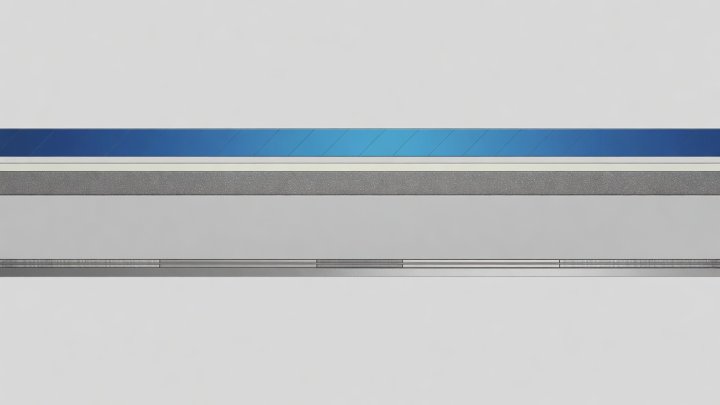
The Quantum Barrier to Electron Recombination
In traditional solar cells, minority carriers (electrons in P-type wafers or holes in N-type wafers) frequently recombine at the metal contact interfaces before they can be channeled into external electrical current. This recombination mechanism forms the fundamental thermodynamic ceiling on cell voltage.
TOPCon (Tunnel Oxide Passivated Contact) resolves this loss mechanism by growing an ultra-thin silicon oxide (SiO2) passivation layer—merely 1.5 to 2.0 nanometers thick—topped by a layer of heavily phosphorus-doped polycrystalline silicon. The quantum mechanics of electron tunneling allow electricity-carrying charge carriers to pass through unimpeded, while simultaneously presenting an immense energy barrier to parasitic recombination.
| Architecture Feature | P-Type Mono PERC | N-Type TOPCon | Heterojunction (HJT) |
|---|---|---|---|
| Base Dopant | Boron (B) | Phosphorus (P) | Phosphorus (P) |
| Lab Efficiency Limit | 24.5% | 28.7% | 29.1% |
| Commercial Module Eff. | 20.5% - 21.3% | 22.2% - 23.0% | 22.5% - 23.4% |
| First-Year LID Loss | 1.5% - 2.5% | < 0.5% | < 0.5% |
| Annual Degradation | 0.50% - 0.55%/yr | 0.35% - 0.40%/yr | 0.25% - 0.30%/yr |
| Temp Coefficient | -0.35% / °C | -0.30% / °C | -0.26% / °C |
Bifaciality and Diffuse Light Absorption
While standard rooftop installations mount flush against asphalt shingles, homes equipped with standing seam metal roofs, ground mounts, or detached garage pergolas benefit significantly from bifacial panel engineering.
N-Type TOPCon panels feature a bifaciality factor between 80% and 85% (compared to ~70% on P-type PERC). When backsheet reflection (albedo) from concrete, pale shingles, or light aggregate roof membranes hits the panel underside, homeowners gain an extra 5% to 15% kilowatt-hour boost without expanding total roof footprint.
Low-Irradiance Spectral Response
On overcast days or during dawn and dusk, the incident solar spectrum shifts towards blue and ultraviolet wavelengths. N-Type silicon demonstrates superior quantum efficiency in the shorter wavelength range, continuing to feed microinverters when older panels drop below minimum startup voltage thresholds.